Henry Winkler Net Worth 2025 Bio, and Success Story

Henry Winkler’s net worth is more than just a headline number. It reflects decades of staying relevant in Hollywood. He went from struggling with undiagnosed dyslexia early in life to becoming an Emmy winning actor, and his career has taken plenty of unexpected turns along the way. Now 79, the actor, producer, director, and author continues to work, reinvent himself, and remain one of the most respected and well liked figures in entertainment.
Table of Contents
Henry Winkler Net Worth
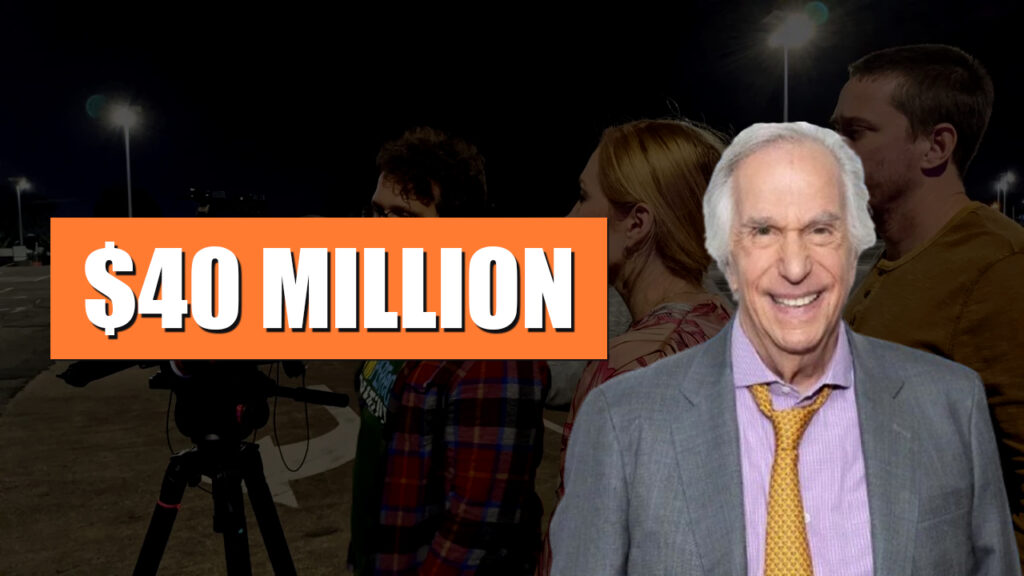
Henry Winkler’s net worth is widely estimated at around $40 million in 2025, and that number makes more sense when you look at how long he’s been working and how many lanes he’s built income from over the years.
His wealth is mainly tied to four big areas:
Key income sources behind his net worth
Acting remains the core, from his iconic run on Happy Days to later career highlights like Barry, which earned him a Primetime Emmy for his role as Gene Cousineau.
Producing also played a major part. He served as an executive producer on MacGyver, adding long term value beyond on screen work.
Book royalties are another steady stream. He co wrote the Hank Zipzer children’s series, which ran for 17 books, and has continued writing beyond that.
Directing added additional earnings through film and TV projects across the years, helping him keep momentum even when he was not acting full time.
What makes his career stand out is how he avoided relying on one era or one role. Instead, he expanded into producing, writing, and directing, which is a big reason his success has lasted for decades rather than peaking and fading.
Career Highlights
- 1974 to 1984: On Happy Days, he turned “Fonzie” from a small supporting role into a pop culture icon that defined an entire TV era.
- 2003 to 2019: He returned to comedy with a memorable recurring role as the hilariously incompetent lawyer Barry Zuckerkorn on Arrested Development.
- 2018 to 2023: He hit a major career high with his Emmy winning performance on HBO’s Barry, introducing him to a whole new audience.
- 2003 to today: He has published more than 17 books in the Hank Zipzer series, which later inspired a BBC adaptation.
His work on Barry was proof that real talent does not age out. It evolves, and it still hits just as hard.
Henry Winkler Bio
Early Life and Family Background
Henry Franklin Winkler was born on October 30, 1945, in Manhattan, New York. He was raised by German Jewish parents who fled Nazi Germany in 1939 and later built a new life in the United States. His middle name, Franklin, was chosen in honor of President Franklin D. Roosevelt as a sign of his family’s gratitude for the safety they found in America.
He grew up on the Upper West Side alongside his older sister, Beatrice. As a student, he often struggled in school, so summers at Lake Mahopac became a welcome break and a place where he could feel more at ease
Education and Struggles
Even though he struggled with dyslexia that wasn’t diagnosed at the time, Henry Winkler kept pushing forward. His parents could be tough on him and even called him “dummer Hund,” a German phrase that translates to “stupid dog.” Still, he learned to rely on determination and a strong sense of humor. At McBurney School in Manhattan, he became known as the class comedian, using comedy to connect with others even when school felt difficult.
Math was one of his biggest challenges. He reportedly repeated geometry four times before graduating in 1963, and because his diploma was delayed, he wasn’t allowed to attend the graduation ceremony. Later, he attended Emerson College, where he studied theater and also took on child psychology. He then earned an MFA from Yale School of Drama in 1970, which helped launch the career that would make him a household name.
Henry Winkler Wife and Family
Henry Winkler met Stacey Weitzman while he was at the height of his Happy Days fame, after running into her at a clothing store in Beverly Hills. At first, he admits he hesitated because she already had a child, but the connection between them grew quickly. They married in 1978 and built a blended family together.
Today, their family includes three children: daughters Zoe and Max, along with Stacey’s son Jed. Their marriage has lasted more than four decades and has seen its share of difficult moments too. In the early 2000s, Stacey faced a cancer diagnosis, a period Winkler has described as one of the hardest times in his life as he struggled emotionally while trying to stay strong for her.
Henry Winkler Age and Reinvention
At 79, Henry Winkler is a clear example of Hollywood longevity done right. While many stars fade after their first big hit, he has stayed relevant by adapting with every new chapter. He went from iconic sitcom star to bestselling children’s author, and later earned fresh praise as an Emmy winning character actor.
That ability to evolve is a big reason Henry Winkler’s career longevity still stands out today. It is a smart reminder that long term success comes from learning new skills, taking different roles, and staying open to change, especially in a world where most people build careers one project at a time.
| Real Name/Full Name | Henry Franklin Winkler |
| Nick Name | The Fonz |
| Gender | Male |
| Date Of Birth | 30 October 1945 |
| Age | 79 years |
| Birth Place | Manhattan, New York City |
| Parents Name | Ilse Anna Maria & Harry Irving Winkler |
| Height | 5’6″ (1.68 m) |
| Weight | N/A |
| Hair Color | Gray (formerly dark brown) |
| Eye Color | Brown |
| Siblings | Beatrice (older sister) |
| Languages | English, some German |
| Religion | Jewish |
| Nationality | American |
| Zodiac | Scorpio |
| Marital Status | Married |
| Spouse Name | Stacey Weitzman (m. 1978) |
| Children’s Name | Zoe, Max, and stepson Jed |
| Profession | Actor, Director, Producer, Author |
| Net Worth | $40 million |
Henry Winkler and Dyslexia Advocacy
What makes Henry Winkler stand out, beyond his acting, is how he turned a personal challenge into something that helps others. He wasn’t diagnosed with dyslexia until he was 31, but instead of hiding it, he spoke about it openly and used it to guide his work. That experience became the heart of the Hank Zipzer book series, which follows a main character who learns differently and still finds his place.
Later, the prequel series Here’s Hank pushed the conversation even further by using a dyslexia friendly font in its U.S. edition, making reading feel less intimidating for kids who struggle with traditional text.
Henry Winkler’s impact goes well past Hollywood. By putting dyslexia and learning differences in the spotlight, he’s helped many children feel understood and capable. It’s one more reason his career longevity is so respected, because his influence is just as strong off screen as it is on screen.
Creative Reinvention
Henry Winkler’s biggest win isn’t just playing Fonzie. It’s what he did after. Many actors get stuck in the shadow of their breakout role, but Henry Winkler reinvented himself again and again. He moved into character acting with roles like Barry Zuckerkorn on Arrested Development, built a second lane as a children’s author, and later earned major acclaim as Gene Cousineau on Barry, which brought him his first Emmy at age 72.
Henry Winkler’s career longevity comes from one simple habit: he kept evolving. Instead of living off past fame, he kept looking for the next challenge. That mindset is a strong lesson for today’s creators who wear multiple hats and want a long career, not just a viral moment.
Social Media Sites
Feel free to reach out to us with any questions or comments. We value your feedback and would love to hear from you. Contact us here.
Legacy
Henry Winkler is helping redefine what Hollywood longevity looks like. In an industry that often chases youth, his Emmy win in his 70s is a strong reminder that real talent does not expire. At a time when many people are tired of celebrities who are simply famous, Henry Winkler stands out for substance, reinvention, and a grounded sense of authenticity.
Henry Winkler’s career longevity also proves a bigger point: successful careers are built over time. They are not quick sprints. They are long marathons, and sometimes the most meaningful achievements come decades after the first big break.